Lifestyle
Constipation: Causes, Relief and Natural Daily Care
Sehat Planet Editorial12 Sept 2026 6 min read

Constipation is one of the most common digestive complaints, yet many people ignore it until it begins to affect mood, appetite, sleep, and daily comfort. In simple terms, constipation means passing stool less often than usual, having hard or dry stool, straining during bowel movements, or feeling that the bowel has not emptied fully. For some, it happens occasionally after travel, stress, or dietary changes. For others, it becomes a recurring issue.
A healthy bowel pattern is not exactly the same for everyone. Some people pass stool once or twice a day, while others may go every other day and still feel normal. The concern begins when your usual rhythm changes and bowel movements become difficult, infrequent, or uncomfortable.
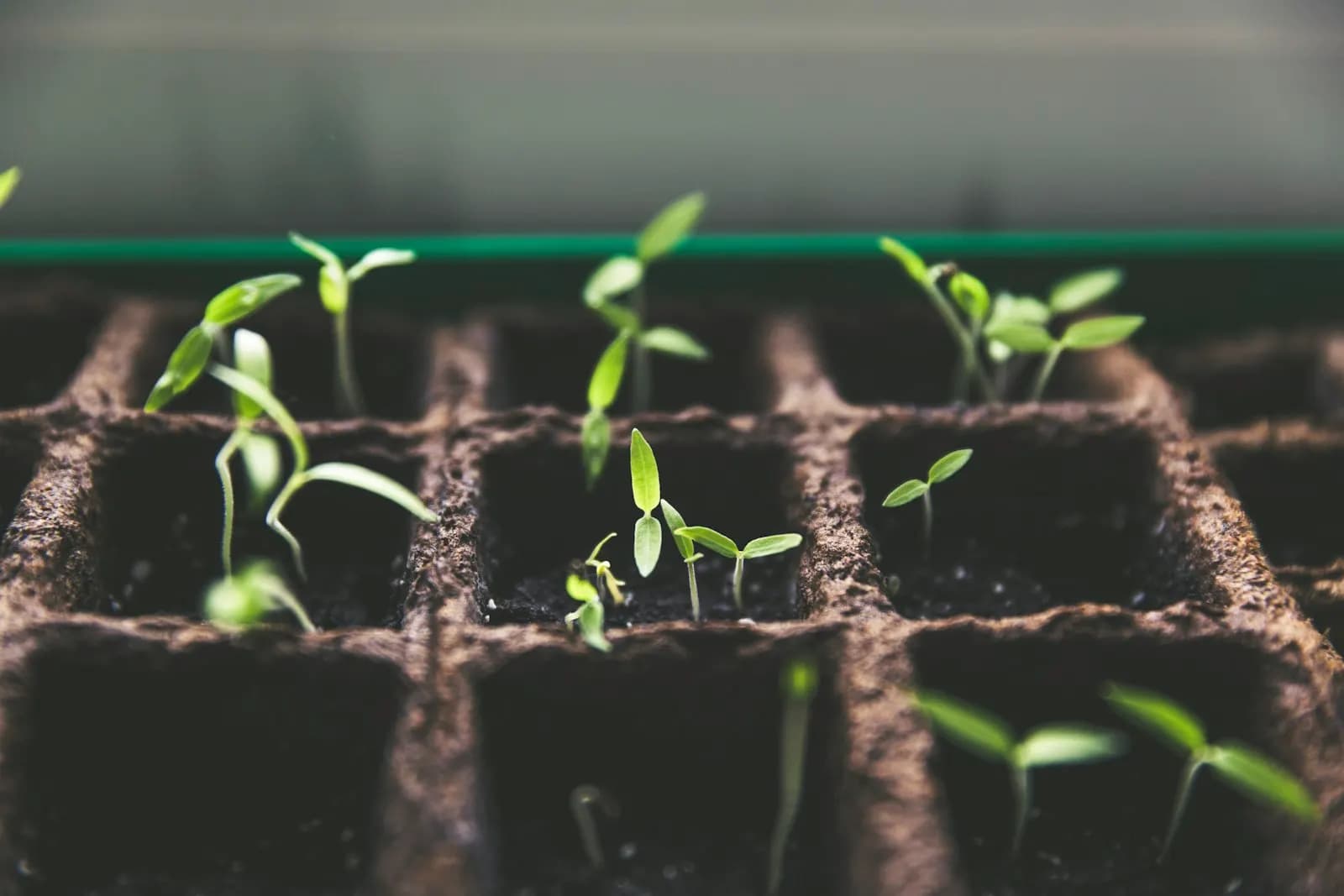
If you are adding an image to this article, use a calm wellness visual such as a glass of warm water, fiber-rich foods, or a gentle morning yoga scene to reflect the theme naturally.
Why constipation happens
Constipation is often the result of several small habits adding up over time. A low-fiber diet is one of the most common reasons. When meals are heavy in refined flour, fried foods, excess cheese, packaged snacks, and low in fruits, vegetables, whole grains, and pulses, stool can become hard and difficult to pass.
Low fluid intake is another major factor. The colon absorbs water from waste, and if the body is under-hydrated, stool may become dry. A sedentary routine can also slow bowel movement. Long hours of sitting, irregular meals, lack of exercise, and repeatedly ignoring the urge to pass stool may worsen the problem.
Stress matters too. The gut and brain are closely connected. Changes in routine, anxiety, poor sleep, travel, and even rushing through mornings can affect the body’s natural elimination rhythm. Certain medicines such as iron supplements, some painkillers, and a few antacids may also contribute.
In Ayurveda, constipation is often associated with aggravated Vata, especially when there is dryness, irregularity, gas, bloating, or a variable appetite. This does not replace medical diagnosis, but it can help explain why warm, regular, grounding habits often bring relief.
Common symptoms and when to be careful
Typical symptoms include passing stool fewer than three times a week, hard pellet-like stool, straining, bloating, abdominal heaviness, gas, and a feeling of incomplete evacuation. Some people also experience reduced appetite, headache, irritability, or sluggishness.
Occasional constipation is usually manageable with diet and lifestyle changes. However, some signs need medical attention. Please consult a qualified doctor if constipation is new and severe, lasts more than a few weeks, or comes with blood in stool, persistent abdominal pain, vomiting, unexplained weight loss, fever, or anemia. Adults over 45 with a sudden change in bowel habits should also seek evaluation. Children, pregnant women, elderly people, and anyone with chronic illness should avoid self-medicating for long periods.
Overuse of laxatives can make the bowel more dependent and may hide the real cause. It is better to understand the trigger than to rely only on quick relief.
Natural ways to support bowel regularity
Start with food. Aim to include natural fiber daily from fruits such as papaya, guava, pear, soaked raisins, figs, or prunes if available. Vegetables, especially gourds, carrots, spinach, beans, and beetroot, can help when eaten regularly. Whole grains like oats, daliya, brown rice, and millets may be better than refined grains for many people. Pulses and seeds add useful bulk too, though they should be increased gradually if you are prone to gas.
Hydration is simple but powerful. Begin the day with one or two glasses of warm water. Some people feel better with warm water through the day instead of chilled drinks. A regular meal schedule also supports the digestive clock.
Movement is essential. A brisk walk, light stretching, and yoga postures such as Pawanmuktasana, Malasana, and gentle twists may support digestion. Deep belly breathing and a few quiet minutes in the morning can help the body shift out of stress mode.
Useful home practices include soaked black raisins, soaked figs, or a small serving of ripe papaya. In some households, a teaspoon of ghee in warm milk at night is traditionally used, though it may not suit everyone. From an Ayurvedic perspective, warm cooked meals, adequate healthy fats, and avoiding very dry, cold, or highly processed foods are often advised when Vata is high.
Building a bowel-friendly routine
Try to use the toilet at the same time each day, ideally after waking or after breakfast, when the gastrocolic reflex is active. Do not ignore the urge to pass stool. Avoid sitting on the toilet for too long while scrolling on the phone, and do not strain excessively.
Sleep and stress management are part of digestive care. Late nights, irregular eating, and constant rush can disturb bowel rhythm. A more settled routine often helps more than a dramatic short-term remedy.
Constipation is usually a signal, not just a standalone problem. The body may be asking for more water, more fiber, more movement, more calm, or more regularity. Small changes done consistently are often more effective than harsh cleanses or frequent laxative use.
If symptoms keep returning despite healthy habits, do not ignore them. A personalized review with a doctor, dietitian, or qualified Ayurveda practitioner can help identify the real cause and the safest path forward.
Ready to start your healing journey?
Talk to a doctor for free or explore verified programs.